Industrial · · 3 min read
Custom Construction Equipment Scale Models for OEMs and Dealers (1:50, 1:32, 1:87)
How construction machinery manufacturers commission custom diecast and resin scale models of excavators, loaders, cranes and trucks — scales, materials, MOQ, lead times and uses for trade shows, dealers and gifts.
By the SZT Model project team · Reviewed by David Wang
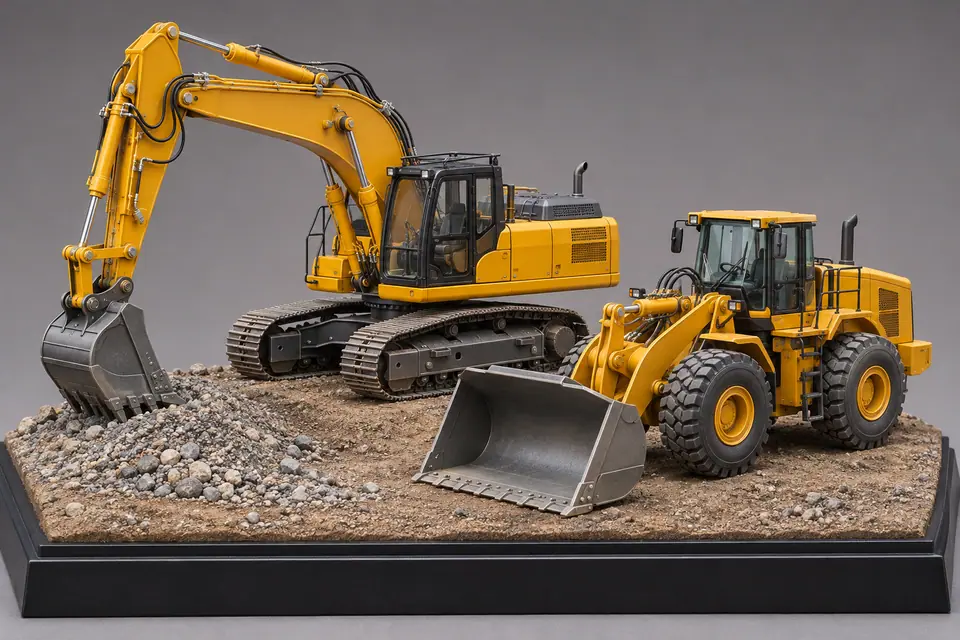
Short answer: Construction equipment manufacturers commission scale models in three ways: one-off showpiece models (often 1:10 to 1:25) for trade shows and headquarters, small-batch resin or 3D printed models (1:32 to 1:50) for dealers, and mass-produced diecast models (1:50 is the industry standard) for promotional gifts and retail. Custom diecast tooling needs larger quantities; resin and 3D printing suit runs from one to a few hundred.
For a machinery brand, a scale model is a sales tool that sits on a customer's desk for years. Excavators, wheel loaders, cranes and mining trucks are reproduced as diecast collectibles, dealer showpieces and giant trade-show models. Here is how OEMs and dealers specify them.
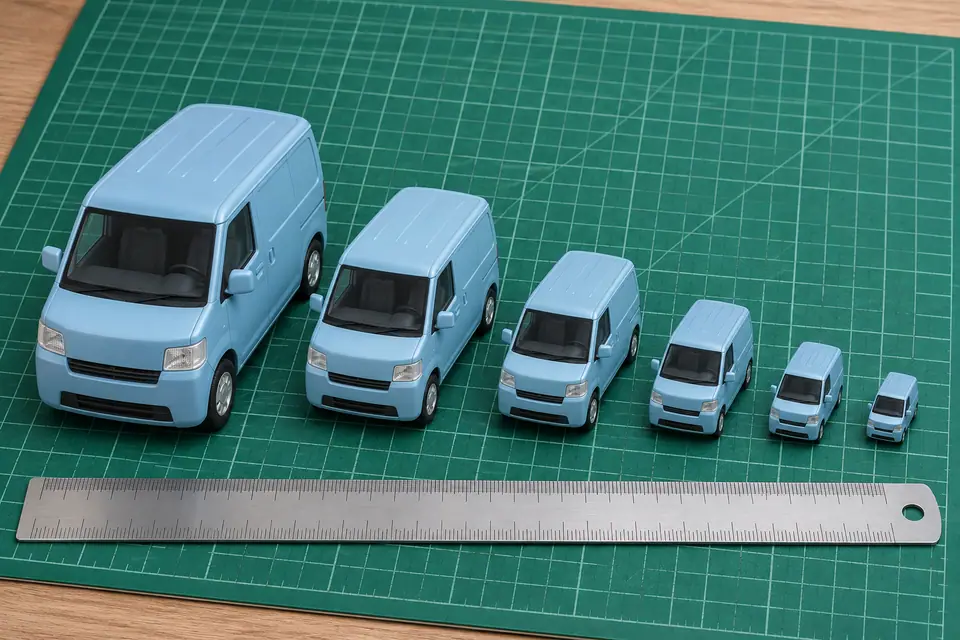
Common scales for construction equipment models
| Scale | 20 t excavator (≈9.5 m long) becomes | Typical use |
|---|---|---|
| 1:14 – 1:25 | 38 – 68 cm | Showroom and trade-show centrepieces, cut-away models |
| 1:32 | ≈30 cm | Premium collector and dealer models |
| 1:50 | ≈19 cm | The industry standard for diecast promotional models |
| 1:64 | ≈15 cm | Small promotional and toy-compatible models |
| 1:87 (HO) | ≈11 cm | Miniatures for dioramas and railway layouts |
1:50 dominates because a heavy machine fits comfortably on a desk at that size and many brands' ranges are built to it, so models can be displayed together.
Production methods
| Method | Quantity | Detail | Lead time |
|---|---|---|---|
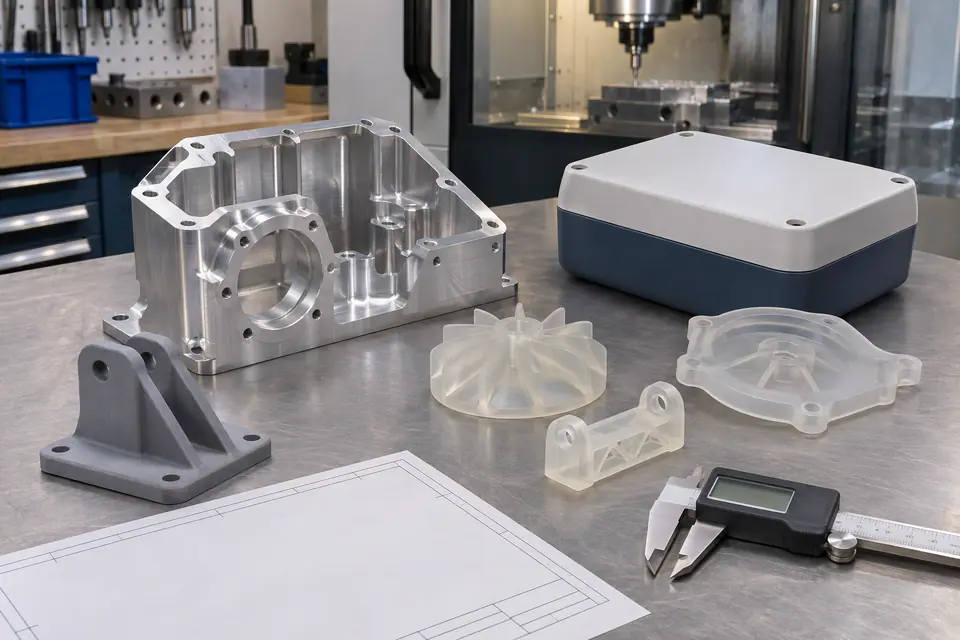
| Hand-built / 3D printed + CNC showpiece | 1 – 5 | Very high, can include working hydraulics, lights or cut-aways | 4 – 10 weeks |
| Resin casting from printed masters | 20 – 500 | High | 6 – 10 weeks |
| Diecast zinc alloy with plastic parts | 1,000+ | High, durable | Tooling plus production, typically several months |
What to send for a quotation
- 3D CAD of the machine (STEP, IGES, Parasolid) or GA drawings and photos
- Target scale and quantity
- Livery: colours (RAL/Pantone), decals, logos
- Moving functions: boom, bucket, slewing, tracks
- Base, packaging and gift box requirements
- Delivery dates for the trade show or launch
Showpiece models with storytelling
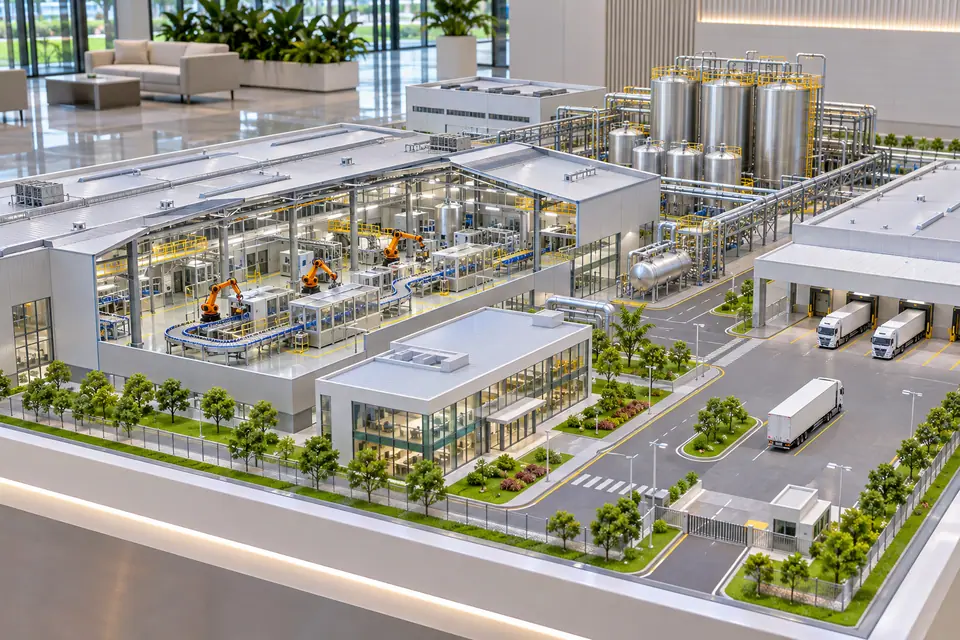
Beyond the machine itself, a construction equipment model can tell an application story: an excavator loading a truck on a quarry diorama, a tunnelling machine with a cut-away tunnel, or a port crane over a container ship. These dioramas are built like industrial display models and work well beside a factory or production-line model.
SZT Model's industrial team focuses on one-off showpieces, small batches and application dioramas; mass diecast runs are a separate, tooling-based industry.
Uses
- Trade-show stands, where large models draw people in when real machines are too big to ship
- Dealer showrooms and customer gifts at handover
- Headquarters lobbies and product museums
- Training: cut-away models showing hydraulics and powertrain
Frequently asked questions
What scale are diecast construction equipment models?
1:50 is the most common scale for diecast construction equipment, with 1:32 for premium models, 1:64 for small promotional models and 1:87 for miniatures.
Can we order a small quantity of custom machinery models?
Yes. For one to a few hundred pieces, 3D printed or resin-cast models avoid the cost of diecast tooling while keeping high detail.
Can a scale model have working parts?
Showpiece models can include moving booms, rotating upper structures, rolling tracks, lighting and even motorised functions; small promotional models usually have manually moving parts.
How big is a 1:50 excavator model?
A typical 20-tonne excavator about 9.5 m long in transport position becomes roughly 19 cm long at 1:50.
Related service
Industrial & Energy Display Models — Factory layouts, production lines, energy systems and construction machinery — engineered models that make complex operations easy to grasp.